Ellis Rowan · 12 October 2026 · 4 min read
Comfort and placement are practical parts of an enjoyable listening setup.
Find a comfortable fit
Try the available adjustment before raising the volume. A small change in fit can be more useful than a louder setting.
Give the sound a place
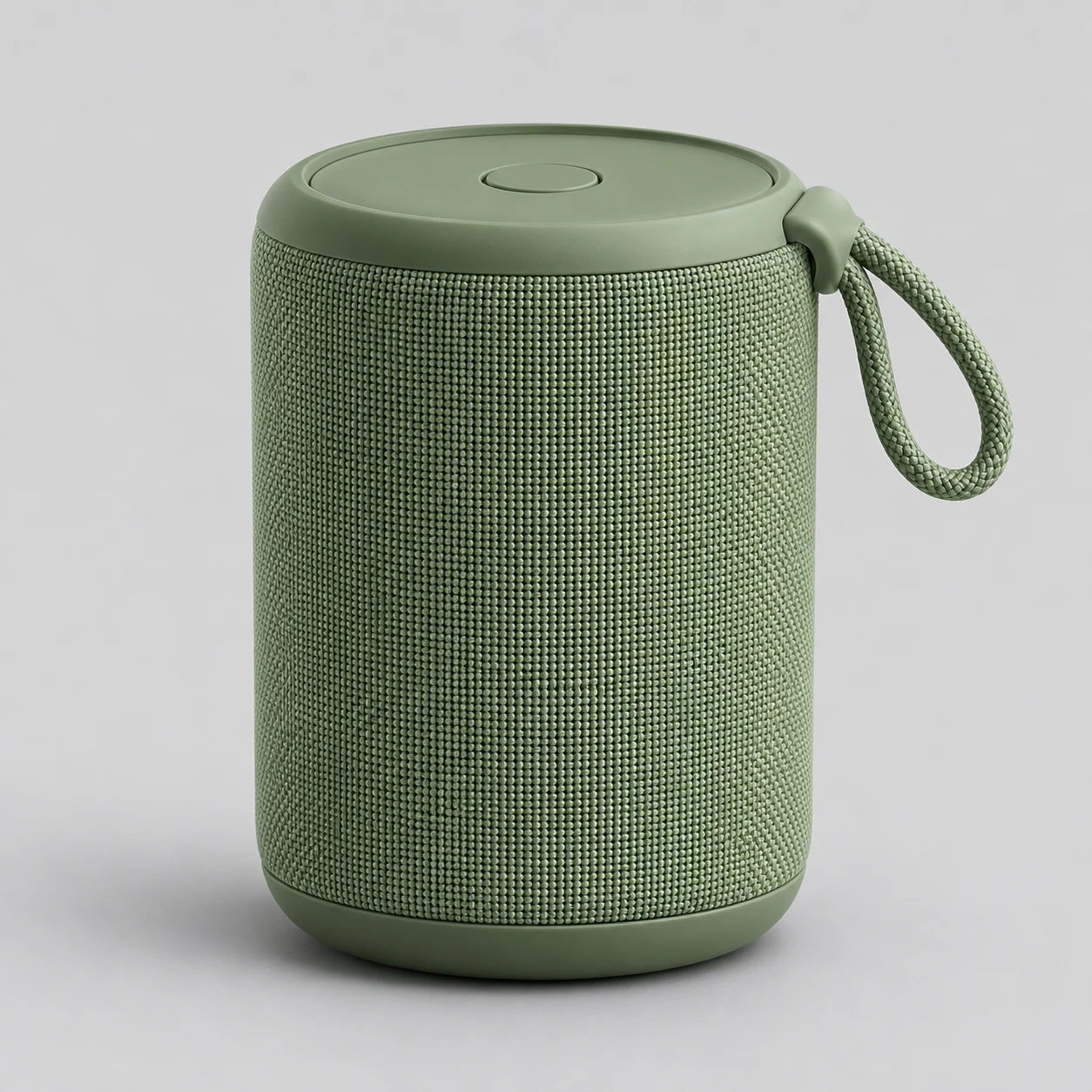
Keep a speaker clear of objects that can rattle and away from water. Position it for the place where you usually sit.
Take the pause
Listening can be a small ritual within a busy day. Take breaks, notice your surroundings and keep the level comfortable.
Fit the routine as well as the device
Think about where listening happens during an ordinary day. A speaker for a shared room and earbuds for a short walk serve different purposes, even when both connect to the same phone. Consider the setting, the people nearby and the amount of equipment you want to carry.
Try the adjustment available on a headset or the included tip sizes for earbuds. A comfortable position should not depend on turning the volume up. Follow the guidance supplied by the real manufacturer, and take breaks when using any listening device for a long period.
Keep the useful information close
Write down the connection method and keep the charging accessory somewhere easy to find. If several devices share a drawer, a small organiser can be more helpful than buying another cable each time one is misplaced. Check which accessory belongs to which device before connecting it.
A considered listening setup leaves room for everyday life: conversation, the doorbell, a useful pause and the sounds of the place around you. Circuit Haven’s audio products are fictional examples. Their purpose is to show clear choices and useful questions, rather than promise a particular sound or health outcome.
A reader’s perspective
Drew Field
The placement and comfort notes give me a better starting point than a list of features. A small change in fit is easy to test.
Original fictional response.